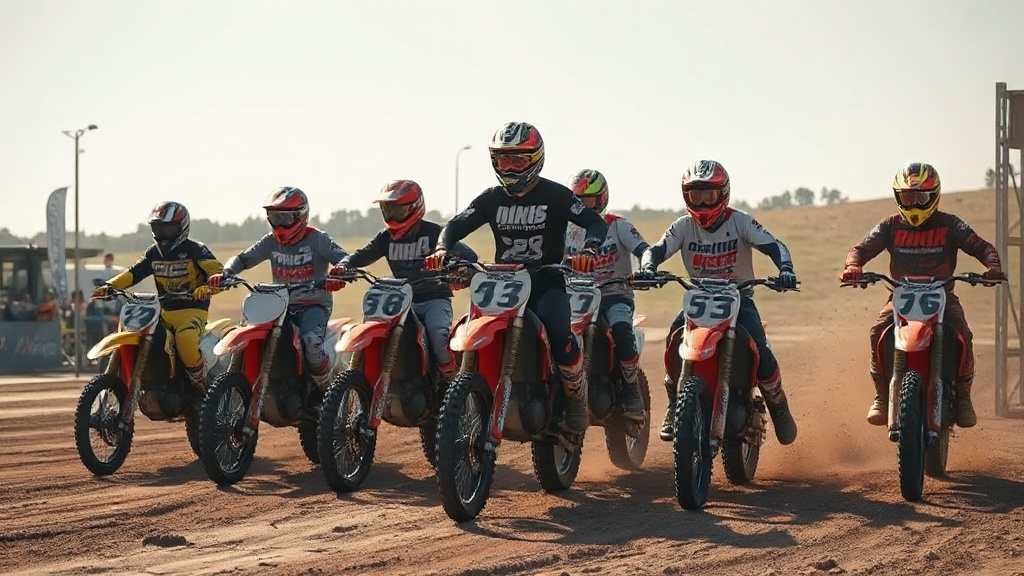
A normal practice day at a motocross park is a manageable risk. A race day is a different animal entirely. The moment you announce an organized event — a competition, a series round, a demo day, or a charity ride — your facility transforms. Attendance spikes, spectators arrive, vendors set up, the parking lot overflows, and the energy goes through the roof. Every one of those changes adds exposure, and your everyday insurance program may not be built to handle it. This guide breaks down the liabilities that come with hosting events and the coverages that address them.
How Events Change Your Risk Profile
On a typical riding day, the people on your property are mostly riders who signed waivers and understand the risks. On a race day, your population changes dramatically. You suddenly have parents, friends, fans, food vendors, sponsors, and curious onlookers — none of whom signed up to ride, and many of whom have no idea where the safe zones are. The sheer number of people, combined with the higher speeds and intensity of competition, multiplies the chance that something goes wrong and that the person hurt is not a participant at all.
Insurers treat events as a distinct, elevated exposure. That is why operators need specific coverage rather than assuming their standard program automatically extends to event days.
Spectator Liability
The defining risk of an event is the spectator — someone who came to watch, not to ride. Spectators do not sign rider waivers, they do not wear protective gear, and they often crowd close to the action for a better view. If a bike leaves the track, debris flies, or a crash spills toward the crowd, an injured spectator has a powerful claim. Spectator liability coverage responds specifically to injuries suffered by people watching the racing or event.
Protecting spectators is both an insurance issue and an operational one. Operators should:
- Establish clearly marked, physically separated viewing areas well back from the line of travel.
- Use fencing, berms, and barriers to keep crowds out of run-off zones.
- Post staff or signage directing spectators to safe areas.
- Never let viewing convenience override safe distances.
Special Event Liability
Special event liability is coverage built around the event itself — the temporary, concentrated spike in activity and attendance. Some operators carry it as a standalone policy for each event; others add it to an annual program that anticipates a known event schedule. Either way, it fills the gap that everyday coverage often leaves open. When you are planning an event, confirm in advance exactly how your program responds, what attendance levels are assumed, and whether sanctioning bodies or sponsors require you to name them as additional insureds.
Crowd and Parking Exposure
The hazards of an event are not limited to the track. Some of the most common event claims have nothing to do with racing at all.
- Parking. Hundreds of vehicles funneling into a field or lot create congestion, fender-benders, and pedestrians weaving between cars. Disorganized parking is a frequent source of injury claims.
- Crowd movement. Bottlenecks at gates, concession lines, and restrooms create trip-and-fall and crush risks.
- Temporary structures. Bleachers, tents, staging, and sound equipment can fail or topple if not properly secured.
- Premises hazards. Uneven ground, cables, and equipment become far more dangerous when thousands of feet are walking over them.
This is where premises liability and good event planning intersect. Mark walkways, light the areas people use after dark, secure cables and structures, and staff your parking and gates with people who know the plan.
Vendors and Third Parties
Race days often bring food trucks, gear sellers, sponsors, and other vendors onto your property. Each one is a separate business with its own exposure — and if a vendor injures someone or causes a fire, you can easily be pulled into the claim. Protect yourself by requiring every vendor to carry their own general liability coverage and to name your facility as an additional insured. Collect certificates of insurance before the event, not after. A vendor agreement that spells out responsibility keeps their problems from becoming yours.
Don't Forget Your Staff
Events require more hands — flaggers, gate workers, parking crews, and cleanup teams. Anyone working your event needs to be covered under workers compensation, including temporary and volunteer help where required. Flaggers in particular stand close to the racing and face real injury risk, so confirm your coverage extends to everyone helping you pull off the day.
Plan the Coverage Before the Event
The worst time to discover an event-coverage gap is after someone is hurt. Smart operators line up the right protection well before the gates open — spectator and special event liability, premises coverage, vendor requirements, and workers compensation all confirmed in advance. Our team helps riding facilities insure race days, competitions, and special events of every size. Call 844-967-5247 or request a quote today, and host your next event with confidence instead of crossed fingers.